
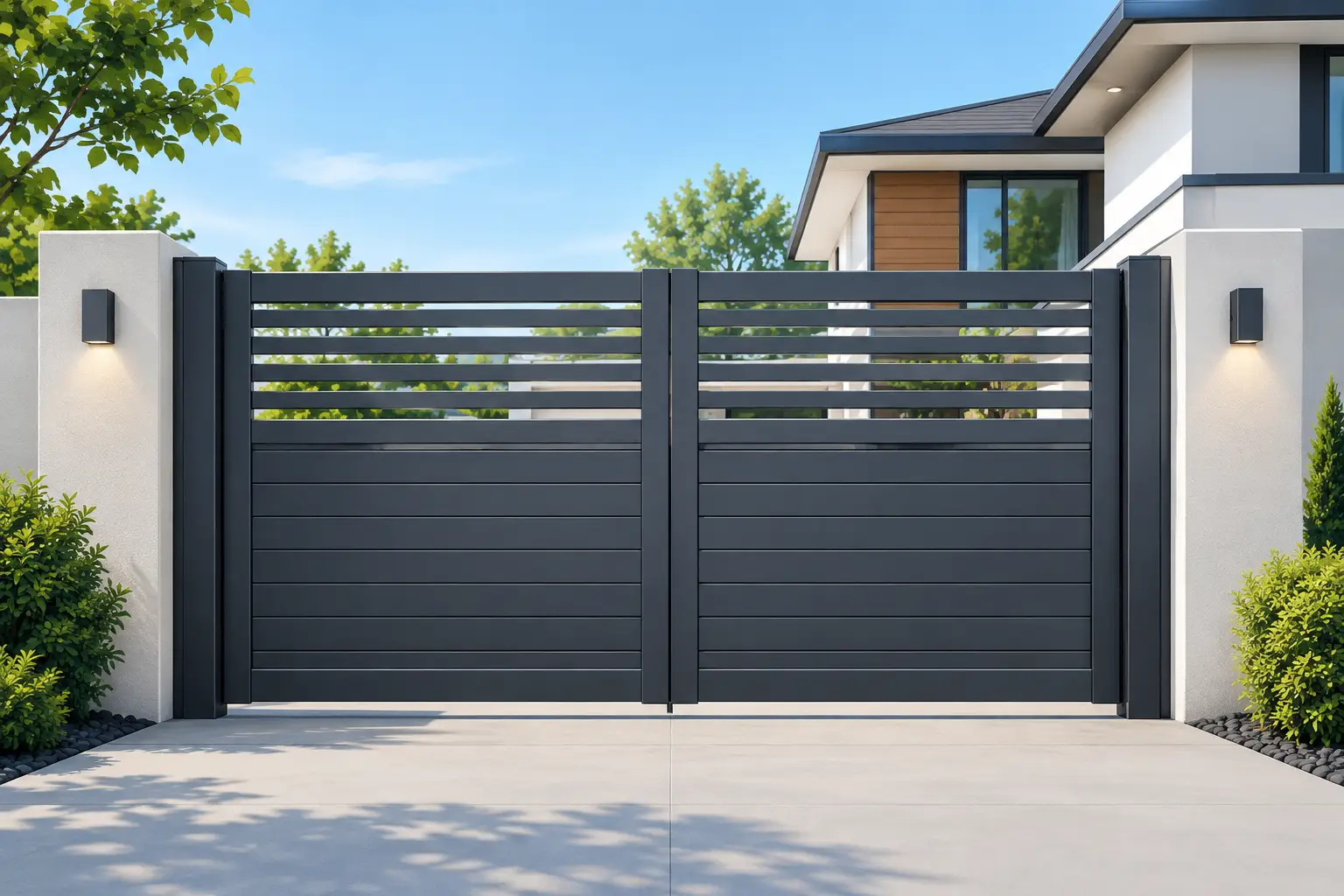
A gate is often the first moving part of a property that visitors see and use. It needs to create a clear boundary without making the home feel closed off, operate reliably through wet Vancouver seasons, and look like it belongs with the architecture. Custom aluminum gates meet those demands with a clean, durable solution for entries, side yards, driveways, patios, and commercial access points.
For homeowners, the right gate can improve privacy, contain children or pets, and add a finished look to an exterior upgrade. For contractors, designers, and commercial property owners, it provides a made-to-spec component that can coordinate with railings, fencing, handrails, and existing exterior finishes. The value is not just in the material. It comes from thoughtful design, sound fabrication, and professional installation.
Why Aluminum Gates Work Well in Vancouver
Metro Vancouver properties contend with regular rain, damp conditions, and changing temperatures. Steel gates can rust when coatings are damaged, while wood gates require regular staining, sealing, and eventual repair to address warping or decay. Aluminum does not rust, making it a practical material for exterior gates that must hold up over time with less maintenance.
That does not mean every aluminum gate is automatically maintenance-free or suitable for every opening. Hardware still needs adjustment, hinges need to be selected for the gate’s size and weight, and drainage or grading around the opening matters. But a properly fabricated aluminum gate gives property owners a dependable starting point: a corrosion-resistant frame with a durable powder-coated finish.
Powder coating is especially valuable for exterior metalwork. It creates an even, long-lasting color finish that is more resilient than a basic painted surface. Black remains a popular choice for modern homes, but custom colors can help a gate blend with window frames, siding, railings, or architectural trim. The result can be understated and cohesive rather than an afterthought added to the property line.
Aluminum Gates Should Be Designed for the Opening
A gate may look simple from the street, yet its proportions and details determine how well it performs. The width of the opening, slope of the driveway or walkway, post locations, latch access, swing direction, and adjacent fencing all need to be considered before fabrication begins.
A pedestrian gate beside a home often has different priorities than a driveway gate. The pedestrian gate may need a self-closing hinge, secure latch, privacy infill, and enough clearance to avoid scraping over a sloped path. A driveway gate may require heavier posts, stronger hinges, a two-leaf configuration, or preparation for automation. Commercial gates can add access-control requirements, higher traffic demands, and specific safety considerations.
Privacy, Visibility, and Architectural Fit
The infill pattern has a major effect on both appearance and function. Vertical pickets offer a traditional, open look and can complement railing systems. Horizontal slats often suit contemporary homes and can create more visual privacy. Tighter spacing, solid panels, or carefully arranged louvers can shield a side yard or patio while still allowing airflow.
There is a trade-off. A fully enclosed design offers more privacy but can catch more wind and may feel visually heavier in a small space. An open picket design feels lighter and provides better sightlines, but it will not conceal storage areas or create the same level of separation. The best choice depends on what the gate needs to do from both sides of the property.
A custom fabricator can also match the gate to nearby aluminum fencing or railings. Repeating the same picket profile, top rail, color, or spacing helps an exterior feel intentionally designed. This is particularly useful when a renovation includes a new deck, balcony railing, front entry, or backyard enclosure.
Welded Construction Makes a Difference
Gates are moving components. Each time a gate opens and closes, the frame, hinges, latch, and posts carry force. A well-built gate needs sufficient structural support and securely joined components so it remains aligned through regular use.
Welded aluminum construction creates a strong, clean frame suited to custom dimensions. It also allows the design to be tailored to conditions at the site instead of forcing a standard-size product into an imperfect opening. Proper fabrication includes accounting for clearances, hinge placement, latch alignment, and the weight of the chosen infill.
Professional installation is equally important. Even a carefully fabricated gate can sag, bind, or latch poorly if posts are not secure or hardware is not positioned correctly. Installation should account for the surface beneath the gate, surrounding structure, and practical use of the opening. A gate that looks good on installation day should also close properly after months of daily use.
Choosing the Right Gate Configuration
Most residential and commercial projects fall into a few common gate types, although the dimensions and details should remain custom to the site.
A single swing gate is often ideal for side-yard access, garden paths, or pedestrian entries. It is straightforward, space-efficient when there is room for the swing, and easy to integrate with fencing. Double swing gates are commonly used for wider driveways, allowing the opening to be divided into two manageable leaves.
Sliding gates can be a better option where a swinging gate would interfere with a steep driveway, parked vehicles, or a narrow path. They require enough room along the fence line for the gate to travel and demand careful planning for tracks, cantilever hardware, or automation. The right configuration is rarely about appearance alone. It starts with how people, vehicles, and equipment need to move through the opening.
For properties with children, pets, pools, or elevated outdoor areas, gate latches and self-closing hardware deserve special attention. Safety requirements can vary by application, and certain projects may need to meet local code or pool-safety rules. An experienced fabricator can help clarify practical design choices before the gate is built.
What to Consider Before Requesting a Quote
A detailed estimate is easier to prepare when the project goals are clear. Property owners do not need construction drawings for every small gate, but it helps to identify the opening location, approximate width and height, desired level of privacy, and whether the gate will be used by people, vehicles, or both.
For larger or more detailed projects, consider these questions before finalizing the design:
- Is the gate primarily for security, privacy, pet containment, access control, or curb appeal?
- Will it connect to an existing fence, masonry wall, railing, or newly installed posts?
- Does the ground slope across the opening or change height near the hinge side?
- Is there enough room for the gate to swing, or would a sliding configuration work better?
- Should the color and profile match existing exterior aluminum work?
- Will a lock, keypad, intercom, self-closing hinge, or automated operator be required?
Photos of the location and measurements can help identify challenges early. They can also reveal nearby downspouts, planters, steps, retaining walls, and utility equipment that affect the design. Addressing those conditions before fabrication helps avoid unnecessary changes during installation.
Maintenance That Protects the Finish and Hardware
Aluminum gates require relatively little upkeep, but occasional care helps preserve their operation and appearance. Rinse away dirt, salt residue, pollen, and debris with water, then use mild soap and a soft cloth when a deeper clean is needed. Avoid abrasive pads or harsh chemicals that may dull or damage the powder-coated surface.
Check hinges, latches, and closers periodically, especially after a severe winter or a period of heavy use. A latch that no longer meets cleanly or a gate that begins to drag should be adjusted promptly rather than forced. Early service can prevent wear on the frame, posts, and hardware.
Repairs are also worth considering before replacing an entire gate. Depending on the issue, a bent section, damaged hinge, worn latch, or finish concern may be repairable. A fabricator with installation and repair experience can assess whether a targeted solution will restore safe, reliable operation.
A Gate Is Part of the Whole Exterior
The strongest gate designs do more than close an opening. They extend the lines of the home, make access feel intentional, and provide security without sacrificing visual appeal. Whether the project calls for a modern horizontal-slat side gate, a clean picket gate at the front entry, or a durable commercial access gate, the details should be made for the property rather than pulled from a one-size-fits-all shelf.
With more than 35 years of fabrication and installation experience, Empire Aluminum Works approaches each gate as both a functional safety feature and a finished architectural element. A well-planned aluminum gate can keep working quietly in the background while making the entire property feel more complete.
Leave a Reply